
Getting your first tattoo is a big moment. It’s exciting, a little nerve-wracking, and something you’ll carry with you forever. If you’ve been thinking about it but aren’t sure what the process actually looks like, this guide will walk you through exactly what to expect, from idea to aftercare.
Before Your Appointment
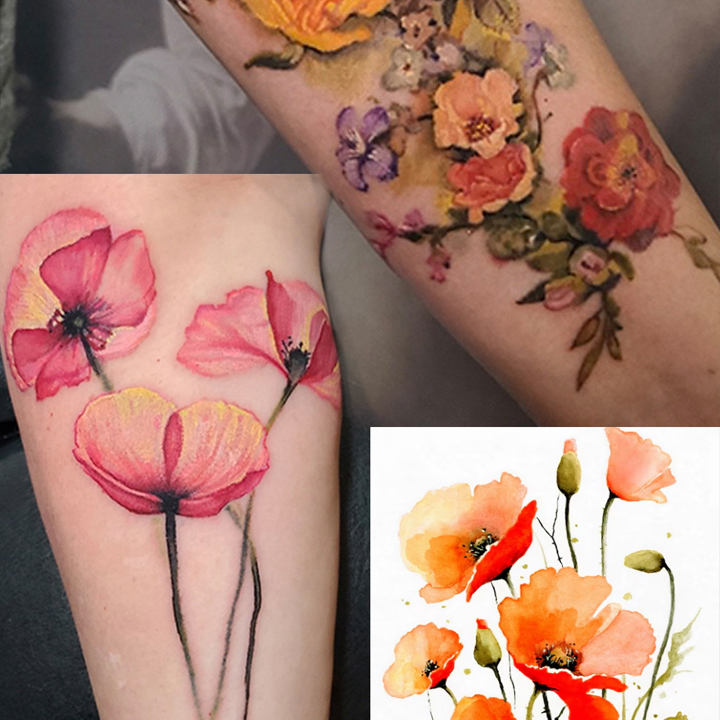
Research and Design
Start by researching tattoo styles and gathering inspiration. Browse portfolios, social media, and tattoo magazines to identify what resonates with you. Remember, this will be on your body permanently, so take time to really think about your design choice.
Choose Your Artist Wisely
Look for an artist whose style matches your vision. Check their portfolio, read reviews, and don’t hesitate to schedule a consultation. A reputable artist will be happy to discuss your ideas and provide honest feedback about placement, size, and feasibility.
Health Preparation
Get plenty of sleep the night before, eat a good meal, and stay hydrated. Avoid alcohol for at least 24 hours before your appointment, as it thins your blood and can affect the tattooing process. If you’re on any medications, discuss them with your artist beforehand.
The Tattoo Process: Step by Step
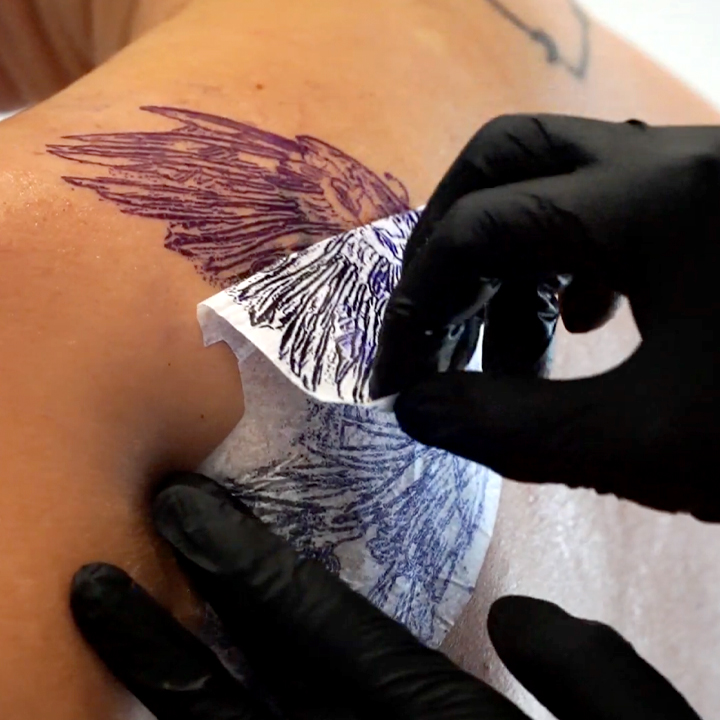
Arrival and Setup
When you arrive, your artist will review the design with you one final time. They’ll prepare the workspace, ensuring everything is sterile and ready. You’ll see them open new needles, set up fresh ink, and put on gloves.
Stencil Application
Your artist will apply a stencil to your skin, allowing you to see exactly where the tattoo will be placed. This is your last chance to make adjustments to size or position, so speak up if something doesn’t feel right.
The Tattooing Begins
The actual tattooing starts with the outline, followed by shading and coloring. Your artist will work in sections, taking breaks as needed. Don’t be surprised if the process takes longer than expected, quality work takes time. So please don’t plan anything time sensitive after your appointment.
Managing Pain and Discomfort
Let’s be honest, getting a tattoo involves some discomfort, but it’s rarely as bad as first-timers imagine. Most people describe it as a scratching or burning sensation rather than sharp pain. The intensity varies depending on placement, with areas closer to bones or with thinner skin being more sensitive.
Pain Management Tips:
- Practice deep breathing techniques
- Bring headphones for music or podcasts
- Focus on the end result, not the process
- Communicate with your artist if you need breaks
- Consider the pain temporary, an amazing tattoo lasts forever
Aftercare: Your Tattoo’s Healing Journey
Proper aftercare is crucial for optimal healing and vibrant results. Depending on the type of bandage, your artist will provide written instructions, but here are the general guidelines:
First 24-48 Hours:
- Keep the bandage on for 2-4 hours
- Gently wash with fragrance-free soap
- Pat dry with a clean towel
- Control dryness as needed
Following 2 Weeks:
- Moisturize regularly with unscented lotion
- Avoid soaking (no baths, pools, beaches or hot tubs)
- Stay out of direct sunlight
- Don’t pick at scabs or peeling skin
- Wear loose clothing over the tattoo
Common First-Timer Mistakes
Choosing Price Over Quality
Remember, you get what you pay for. A cheap tattoo often means cutting corners on hygiene, quality ink, or artistic skill. You are investing in yourself.
Ignoring Aftercare Instructions
Following aftercare instructions isn’t optional. Skipping steps or using the wrong products can lead to infection, poor healing, or faded results.
Getting Tattooed While Impaired
Never get tattooed under the influence of alcohol or drugs. Besides being dangerous, many reputable shops won’t work on intoxicated clients.
Planning Your Next Session
If your tattoo requires multiple sessions, discuss scheduling with your artist. Large pieces often need 4-6 weeks between sessions for proper healing. Use this time to evaluate how you felt about the experience and any adjustments you’d like to make for next time.
Remember, getting a tattoo should be an enjoyable experience. Choose an artist you trust, communicate openly about your concerns, and trust the process. Welcome to the tattooed community!