
Choosing a tattoo style is just as important as selecting your design. Each artistic approach has its own unique characteristics, techniques, and visual impact. Understanding different tattoo styles will help you communicate better with your artist and ensure your vision comes to life exactly as you imagined.
Traditional/Old School: Bold and Timeless
Traditional tattooing, also known as “Old School,” emerged from American tattoo culture in the early-to-mid 20th century. Think sailors, pin-ups, and classic Americana imagery.
Key Characteristics:
- Bold, black outlines
- Limited color palette (primarily red, yellow, blue, and green)
- Simple black shading and minimal detail
- Iconic imagery: anchors, ships, roses, eagles, hearts, daggers
Best For: First-time tattoo clients who want something classic and proven to age well. The bold lines and simple color schemes maintain their clarity over decades.
Placement Considerations: Works excellently on arms, chest, and legs where the bold imagery can be appreciated at its intended size.
Realism: Life-Like Artistry on Skin
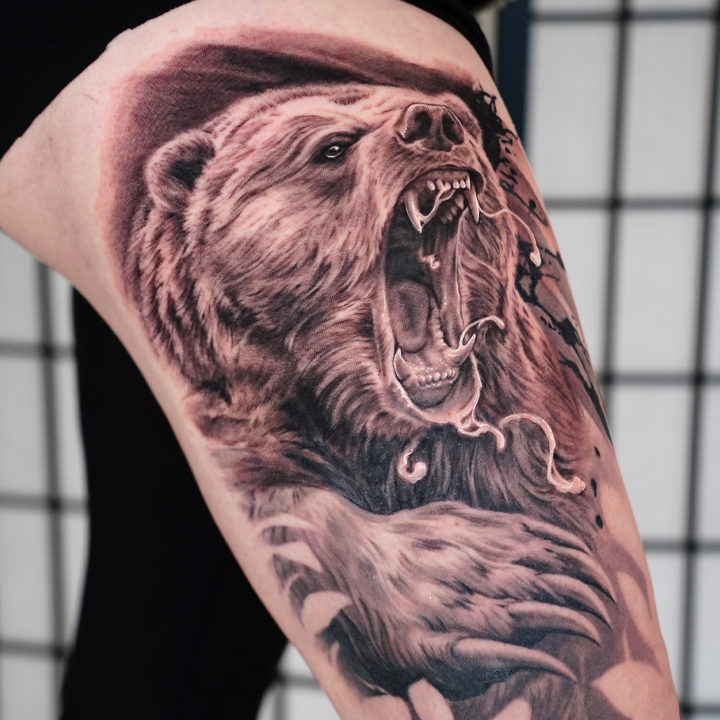
Realistic tattoos aim to replicate photographs or real-life images with incredible detail and precision. This style requires exceptional artistic skill and often takes multiple sessions to complete.
Key Characteristics:
- Photographic detail and accuracy
- Complex shading and highlighting
- Extensive use of black and gray or full color
- Popular subjects: portraits, animals, landscapes, objects
Best For: Clients wanting memorial pieces, pet portraits, or stunning visual impact. Those willing to invest time and budget for multiple sessions.
Placement Considerations: Requires larger areas with relatively flat surfaces like the back, chest, or thigh to accommodate the detail level.
Watercolor: Artistic Expression Without Boundaries
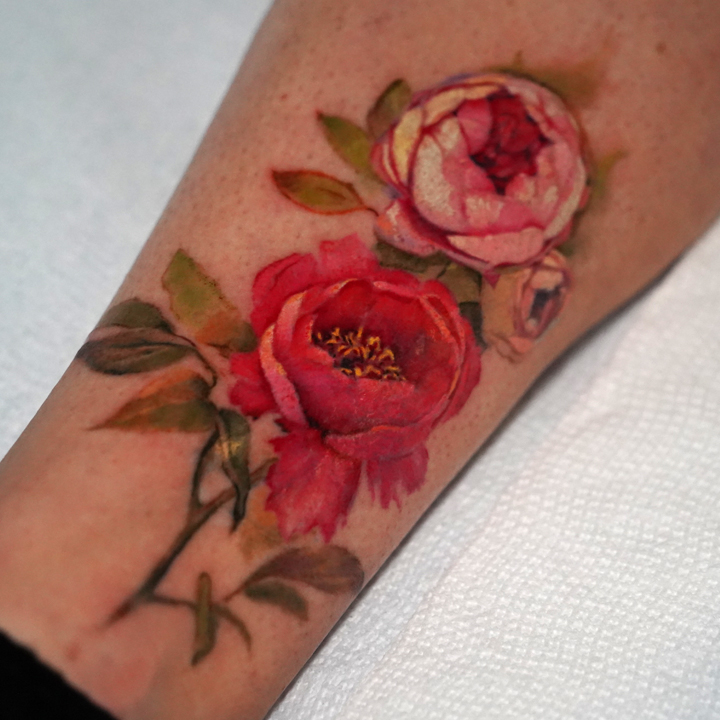
Watercolor tattoos mimic the fluid, organic appearance of watercolor paintings. This modern style breaks traditional tattooing rules by often eliminating black outlines entirely.
Key Characteristics:
- Soft, flowing color gradients
- Paint splashes and bleeding effects
- Minimal or no black outlines
- Dreamy, ethereal appearance
Best For: Artistic individuals who want something unique and contemporary. Perfect for nature themes, abstract designs, or adding color accents to existing tattoos.
Placement Considerations: Works beautifully on shoulders, ribs, and areas where the flowing design can move naturally with body contours.
Geometric/Mandala: Precision and Sacred Geometry
Geometric tattoos focus on mathematical precision, patterns, and symmetry. Mandala tattoos, a subset of geometric work, incorporate spiritual and cultural symbolism through circular, intricate designs.
Key Characteristics:
- Perfect lines and symmetrical patterns
- Dot work and precise shading
- Sacred geometry and mathematical ratios
- Often incorporating spiritual or cultural meanings
Best For: Detail-oriented individuals who appreciate precision and symbolism. Those seeking tattoos with deeper spiritual or personal meaning.
Placement Considerations: Excellent for areas that complement symmetry like the center of the back, chest, or as sleeve components.
Japanese/Oriental: Traditional Storytelling
Japanese tattooing (Irezumi) has a rich history spanning centuries. These tattoos often tell stories through traditional imagery and follow specific composition rules.
Key Characteristics:
- Large-scale compositions that flow with body contours
- Traditional imagery: dragons, koi fish, cherry blossoms, waves
- Specific color symbolism and placement rules
- Background elements that unify the overall design
Best For: Clients interested in cultural significance and large-scale artwork. Those planning extensive tattoo collections that work together as a cohesive piece.
Placement Considerations: Traditionally designed as full sleeves, back pieces, or body suits that flow seamlessly across multiple body areas.
Minimalist/Fine Line: Subtle Sophistication
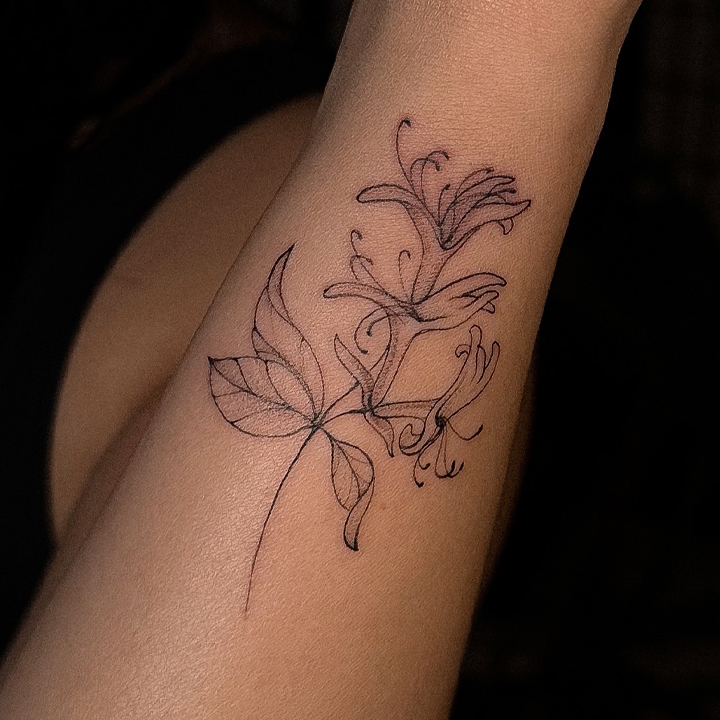
Fine line tattoos emphasize simplicity and delicate detail. This contemporary style focuses on clean, thin lines and minimal shading.
Key Characteristics:
- Single-needle or very fine line work
- Minimal shading and color
- Simple, elegant designs
- Often small to medium in size
Best For: Professionals seeking subtle tattoos, first-timers wanting something understated, or those preferring elegant simplicity.
Placement Considerations: Perfect for wrists, ankles, behind ears, or anywhere a subtle accent is desired.
How to Choose Your Perfect Style
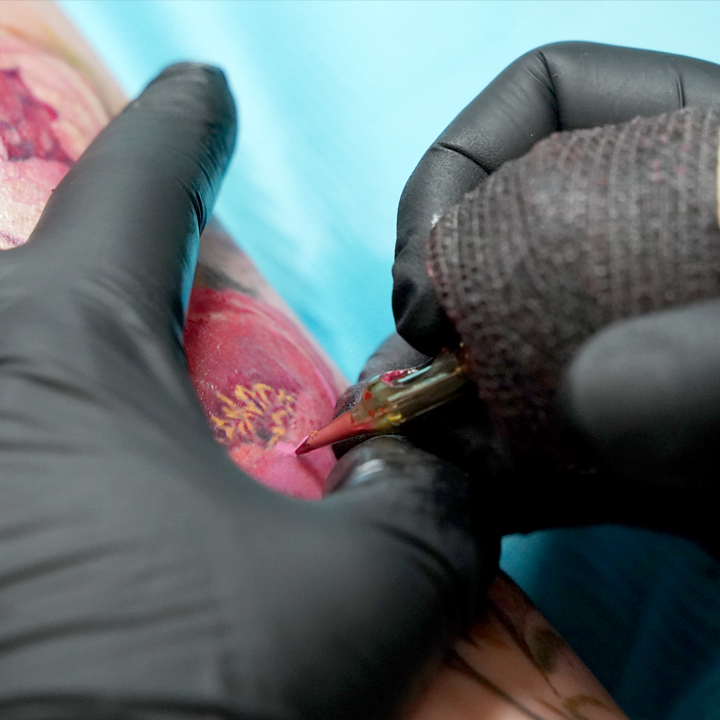
Consider Your Lifestyle
Think about your professional environment and personal activities. If you work in a conservative field, fine line or geometric tattoos in easily concealable areas might be ideal. For creative professionals or those in tattoo-friendly workplaces, you have more freedom to explore bold traditional or large-scale Japanese pieces.
Assess Your Pain Tolerance and Budget
Different styles require varying time commitments and session numbers. Realistic portraits might need 15-20 hours across multiple sessions, while a traditional design could be completed in 2-4 hours. Fine line work, while appearing simple, requires steady hands and precision that may take longer than expected. Consider both the financial investment and time commitment honestly.
Think About Aging and Touch-Ups
Some styles age better than others. Traditional tattoos with bold lines and solid colors typically maintain their clarity for decades. Fine line tattoos may blur slightly over time and could need touch-ups. Watercolor tattoos, while stunning initially, may require more maintenance as the soft colors can fade. Realistic tattoos generally age well if done properly, but intricate details in small pieces may soften over time.
Personal Aesthetic Preferences
Ask yourself what art you’re naturally drawn to. Do you love visiting art museums and appreciate classical paintings? Realism might speak to you. Are you drawn to sacred geometry, meditation, or spiritual practices? Geometric and mandala styles could be perfect. Do you appreciate bold, vintage aesthetics? Traditional might be your calling.
Body Placement and Canvas Considerations
Your body’s natural contours should influence your style choice. Japanese designs are specifically created to flow with body movement and look best on larger areas. Geometric patterns work beautifully on areas with clean lines like forearms or shins. Watercolor pieces shine on areas with smooth skin like shoulders or back pieces.
Research Artists in Your Area
Different artists specialize in different styles. Don’t try to force a watercolor artist to do traditional work or ask a realism specialist to create geometric patterns. Look at portfolios and find artists whose specialty aligns with your desired style. A good artist will be honest about whether your vision matches their skills.
Start Small and Build
If you’re unsure, consider starting with a smaller piece in your chosen style. This allows you to experience the artist’s technique, understand how that style ages on your skin, and decide if you want to continue in that direction for larger pieces.
Remember, there’s no wrong choice, only what’s right for you. Take time to research, consult with artists, and trust your instincts. The perfect style is the one that resonates with your personality, lifestyle, and long-term vision for your body art.